

Balti: A Journey Through History, Culture, Cuisine, and Heritage
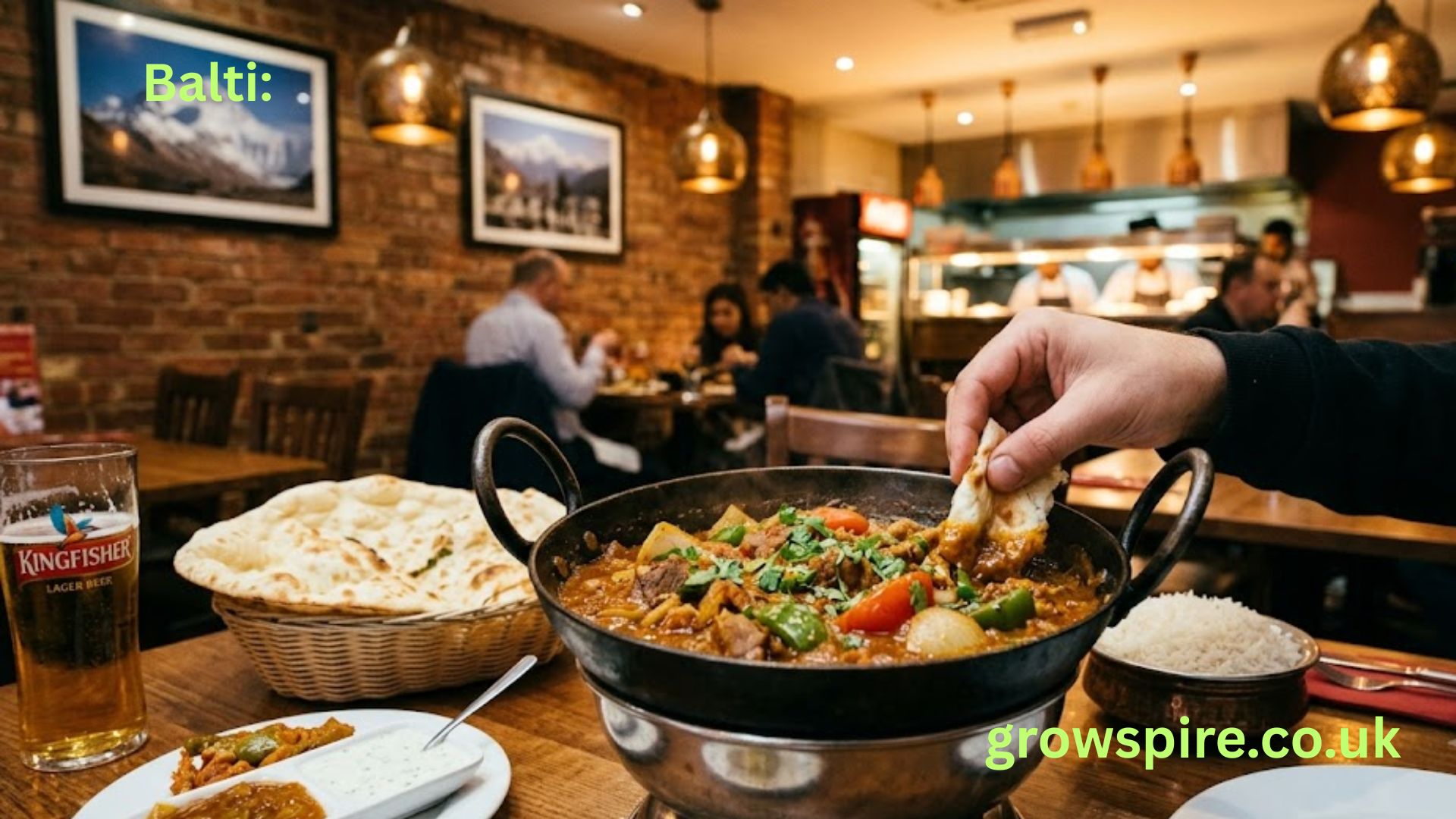
Balti is a word that carries multiple meanings depending on the context. It is widely recognized as the name of an ethnic group living in the mountainous region of Baltistan, famous for its rich traditions, breathtaking landscapes, and centuries-old heritage. At the same time, Balti is also known around the world through the popular style of curry that originated in Britain and became a favorite among food lovers. Whether discussing the people, the language, the culture, or the famous dish, Balti represents a unique blend of history, identity, and tradition.
The story of Balti stretches back many centuries, connecting ancient trade routes, Tibetan influences, Islamic heritage, and Himalayan civilization. Today, the Balti community continues to preserve its customs while embracing modern education, tourism, and economic opportunities. Meanwhile, Balti cuisine has become an international symbol of flavorful cooking that combines aromatic spices with fresh ingredients.
Understanding Balti requires looking beyond a single definition. It is a cultural identity, a culinary tradition, and an important chapter in the history of South Asia. This article explores every major aspect of Balti, from its historical roots to its modern-day significance.
The Historical Origins of Balti
The history of Balti begins in the high-altitude valleys of Baltistan, a region surrounded by some of the tallest mountains on Earth. For centuries, this area served as an important crossroads connecting Central Asia, Tibet, Kashmir, and northern South Asia. Merchants, travelers, scholars, and explorers frequently passed through these valleys, bringing new ideas, goods, and traditions.
The earliest inhabitants of Baltistan were heavily influenced by Tibetan culture. Even today, many aspects of Balti architecture, language, and customs reflect these ancient connections. Over time, the arrival of Islam transformed the social and religious landscape while allowing many traditional customs to remain part of daily life.
The Balti people successfully combined their historical heritage with new religious and cultural influences, creating a distinct identity that continues to thrive today. Their resilience in one of the world’s harshest environments is a testament to their adaptability and strong community values.
Geography of Baltistan
Baltistan is located in the northern mountainous region of Pakistan and is home to spectacular natural beauty. Snow-covered peaks, crystal-clear rivers, glaciers, and lush green valleys make it one of the most visually stunning places in the world.
The region includes several famous mountain ranges, including the Karakoram, which contains some of the highest mountains on Earth. Harsh winters and short summers have shaped the lifestyle of the Balti people for generations. Agriculture is limited by climate, but the fertile valleys produce wheat, barley, apricots, apples, cherries, and various vegetables.
The landscape not only influences agriculture but also determines transportation, architecture, clothing, and social traditions. Living in such rugged terrain has encouraged cooperation among communities and fostered a culture built around resilience and mutual support.
The Balti People and Their Identity
The Balti people possess a unique cultural identity that reflects centuries of historical development. Their traditions blend Tibetan heritage with Islamic values, creating customs that are distinct from neighboring communities.
Family plays a central role in Balti society. Respect for elders, hospitality toward visitors, and cooperation among relatives remain highly valued principles. Community celebrations, weddings, religious festivals, and seasonal events strengthen social bonds and preserve cultural traditions.
Despite modernization, many Balti families continue to maintain traditional lifestyles while encouraging younger generations to pursue education and professional careers. This balance between preserving heritage and embracing progress has become one of the defining characteristics of Balti society.
The Balti Language
Language serves as one of the strongest symbols of Balti identity. The Balti language belongs to the Tibetic branch of languages and retains many features that connect it to ancient Tibetan speech.
For generations, the language was primarily passed down through oral storytelling, songs, poetry, and family conversations. Local legends, folk tales, and historical narratives have helped preserve cultural knowledge across centuries.
Today, efforts are being made to promote Balti literature, educational resources, and digital content to ensure that younger generations continue learning and using their ancestral language. Language preservation remains an important part of protecting cultural heritage.
Traditional Balti Culture
Balti culture reflects a harmonious relationship between people and nature. Daily life has historically revolved around agriculture, livestock, craftsmanship, and community cooperation. Seasonal changes influence farming activities, celebrations, and social gatherings.
Traditional music often features rhythmic instruments accompanied by folk singing that tells stories of bravery, love, family, and local history. Dance performances are commonly seen during weddings and cultural festivals, bringing together people of all ages.
Traditional clothing is designed for both beauty and practicality. Thick woolen garments provide warmth during cold winters, while embroidered caps and colorful dresses showcase local craftsmanship. Handmade textiles continue to represent an important artistic tradition in many villages.
Architecture and Traditional Homes
The architecture found in Balti villages reflects centuries of adaptation to mountainous conditions. Homes are built using locally available stone, wood, and mud, creating structures capable of withstanding extreme weather.
Traditional houses often include thick walls that provide insulation against freezing temperatures. Flat roofs are commonly used for drying fruits, storing firewood, and performing household activities during warmer months.
Many historical forts, mosques, and monasteries demonstrate remarkable engineering skills. These buildings preserve the architectural legacy of past civilizations and attract visitors interested in history and cultural tourism.
Agriculture and Daily Life
Agriculture has long served as the foundation of Balti livelihoods. Families cultivate crops using irrigation systems that channel glacier water into fertile fields. Wheat, barley, potatoes, peas, and vegetables form essential parts of local diets.
Fruit cultivation is particularly important. Apricots are among the most valuable crops, providing both nutrition and economic opportunities. Dried apricots, walnuts, and other preserved foods help families survive long winters when fresh produce becomes scarce.
Livestock farming also contributes significantly to daily life. Sheep, goats, cattle, and yaks provide milk, wool, meat, and transportation in remote mountain areas.
Balti Cuisine: A Rich Culinary Tradition
Balti cuisine reflects the region’s climate, available ingredients, and cultural influences. Meals are typically hearty, nutritious, and designed to provide energy for physically demanding lifestyles.
Traditional dishes often feature barley, wheat, meat, vegetables, butter, yogurt, and locally grown herbs. Slow cooking methods allow flavors to develop naturally while preserving nutritional value.
Bread remains a staple food served with soups, stews, and meat dishes. Tea also occupies a central place in Balti hospitality, with butter tea and herbal varieties frequently offered to guests.
Seasonal ingredients influence cooking throughout the year, making local cuisine both diverse and deeply connected to the natural environment.
The International Popularity of Balti Curry
Outside South Asia, the word Balti is often associated with the famous Balti curry served in restaurants across the United Kingdom and many other countries.
Unlike traditional regional dishes from Baltistan, Balti curry refers to a style of cooking where meat, vegetables, and spices are prepared quickly in a thin steel bowl also called a balti. The dish is known for its rich tomato-based sauce, aromatic spices, fresh herbs, and vibrant flavors.
Its popularity grew rapidly during the late twentieth century, particularly in British cities where South Asian cuisine became an important part of multicultural food culture. Today, Balti curry remains one of the most recognizable dishes inspired by South Asian cooking.
Tourism in Baltistan
Tourism has become one of the fastest-growing sectors connected to Balti culture and heritage. Adventure seekers, photographers, historians, and nature lovers travel from around the world to experience the spectacular landscapes of Baltistan.
Visitors enjoy mountain trekking, glacier exploration, camping, climbing, cultural festivals, and historical sightseeing. Beautiful lakes, traditional villages, and ancient forts provide memorable experiences throughout the region.
The hospitality of the Balti people is frequently praised by travelers. Guests are often welcomed with traditional meals, tea, and warm conversations that offer insight into local customs and everyday life.
Responsible tourism also creates employment opportunities while encouraging preservation of cultural heritage and environmental conservation.
Festivals and Community Celebrations
Festivals play an important role in strengthening Balti identity. Religious occasions bring families together for prayers, community meals, charitable activities, and social gatherings.
Harvest celebrations recognize the importance of agriculture and express gratitude for successful growing seasons. Weddings are especially colorful events featuring music, traditional dress, dancing, and elaborate feasts that may continue for several days.
These celebrations preserve cultural practices while allowing younger generations to participate in traditions that have been maintained for centuries.
Modern Development and Education
Education has transformed many aspects of Balti society during recent decades. Improved schools, colleges, and universities have expanded opportunities for young people across the region.
Many Balti professionals now contribute to fields such as medicine, engineering, education, tourism, public administration, and business while maintaining strong connections to their cultural roots.
Infrastructure improvements, better transportation, digital communication, and renewable energy projects continue to enhance living standards in many communities. Although challenges remain due to geography and climate, development efforts have created new possibilities for economic growth.
Challenges Facing Balti Heritage
Like many traditional cultures around the world, Balti heritage faces several modern challenges. Urban migration, changing lifestyles, and globalization sometimes reduce opportunities for younger generations to learn traditional customs and languages.
Climate change also presents serious concerns. Melting glaciers, changing weather patterns, and environmental pressures affect agriculture, water resources, and mountain ecosystems that have supported communities for centuries.
Cultural organizations, educators, researchers, and local leaders continue working to document traditions, preserve historical sites, promote language education, and encourage sustainable tourism that respects both local communities and natural environments.
Why Balti Continues to Inspire the World
The enduring appeal of Balti lies in its remarkable combination of history, resilience, culture, and natural beauty. Few regions have preserved such a distinctive identity while adapting successfully to changing times.
The Balti people demonstrate how ancient traditions can coexist with modern progress. Their hospitality, craftsmanship, music, cuisine, and commitment to family continue to inspire visitors and researchers alike.
At the same time, the global popularity of Balti-style cuisine has introduced millions of people to a culinary tradition associated with warmth, flavor, and shared dining experiences. Although the restaurant version differs from traditional regional cooking, it has helped make the name Balti recognized across continents.
Conclusion
Balti represents far more than a geographical name or a popular curry. It embodies a rich civilization shaped by mountain landscapes, historical trade routes, cultural exchange, and generations of resilient communities. From the breathtaking valleys of Baltistan to dining tables around the world, Balti continues to symbolize heritage, hospitality, and tradition.
Its language, customs, architecture, music, agriculture, and cuisine all contribute to a cultural identity that remains vibrant despite the challenges of modernization. As tourism, education, and cultural preservation continue to grow, the future of Balti looks promising.
Learning about Balti offers a deeper appreciation for one of South Asia’s most fascinating cultures. Whether admired for its spectacular landscapes, celebrated for its delicious cuisine, or respected for its remarkable history, Balti continues to leave a lasting impression on everyone who discovers its story.