8664739239: Understanding Unknown Phone Numbers, Scam Awareness, and Safe Communication Practices
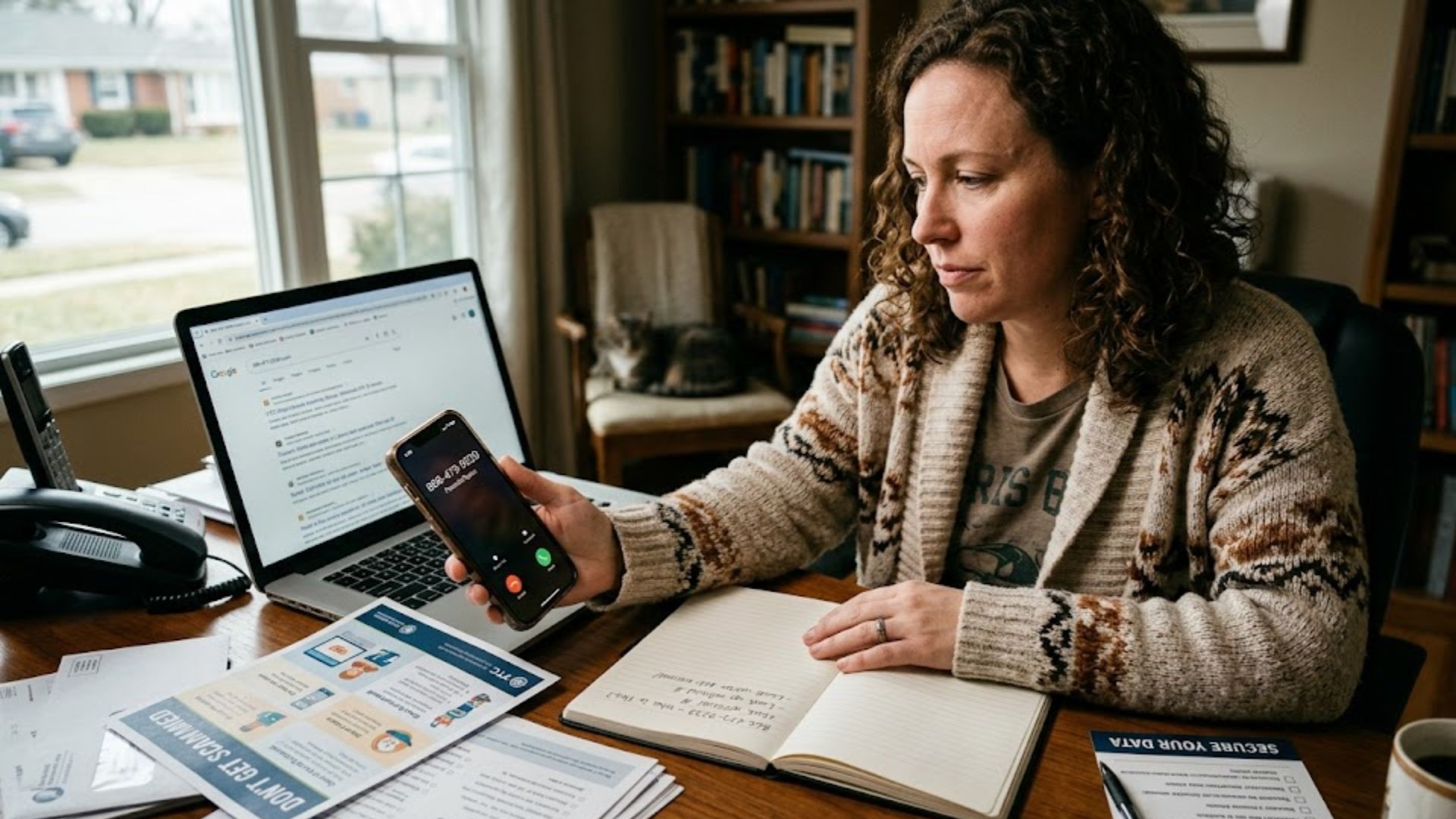
In today’s digital world, phone calls remain one of the most common forms of communication. Whether for personal conversations, business discussions, customer support, or emergency situations, people rely on phone numbers every day. However, the increasing number of spam calls, robocalls, and fraudulent schemes has made many individuals cautious when receiving calls from unfamiliar numbers. One number that may attract attention is 8664739239. When people encounter an unknown caller, their first instinct is often to search online for information, reviews, or reports related to that number. The growing concern about phone security has created a need for better awareness regarding unknown calls. Individuals want to know whether a call is legitimate, whether it belongs to a business organization, or whether it may be part of a scam attempt. Understanding how to evaluate unknown numbers and protect personal information has become an essential skill in the modern communication landscape. This article explores the importance of identifying unknown callers, recognizing warning signs, protecting yourself from phone scams, and maintaining safe communication practices whenever numbers such as 8664739239 appear on your caller ID.
Why People Search for Unknown Phone Numbers
When a phone rings and the number is unfamiliar, curiosity naturally follows. Many people wonder who is calling and why they are being contacted. Unknown calls may come from businesses, healthcare providers, financial institutions, delivery services, or even family members using alternative numbers. At the same time, scammers frequently use phone calls as a way to target potential victims.
Searching for a number online has become a common habit because it allows people to gather information before deciding whether to return a missed call. Individuals often look for reports from other users who may have received calls from the same number. These shared experiences can provide valuable insights into the purpose of the call and whether caution is necessary.
The desire for transparency has increased significantly as consumers seek ways to avoid unnecessary interruptions and protect themselves from fraud. As a result, phone number searches have become a practical tool for informed decision-making.
The Rise of Phone Scams in the Digital Age
Phone scams have evolved dramatically over the past decade. Criminals use sophisticated techniques to impersonate legitimate organizations and create a sense of urgency. They may claim to represent government agencies, banks, technology companies, insurance providers, or customer support departments.
Many scam calls are designed to exploit emotions such as fear, excitement, or curiosity. A caller may claim that your account has been compromised, that you have won a prize, or that immediate action is required to avoid penalties. These tactics are intended to pressure individuals into sharing sensitive information without taking time to verify the legitimacy of the request.
Modern technology has made it easier for scammers to disguise their identities. Caller ID spoofing allows fraudulent callers to display numbers that appear trustworthy. This development highlights the importance of evaluating every unexpected call carefully, regardless of how legitimate it may initially seem.
Common Signs of Suspicious Phone Calls
Recognizing warning signs can significantly reduce the risk of becoming a victim of phone fraud. One common indicator is urgency. If a caller insists that immediate action is required, it is often a reason to proceed with caution. Legitimate organizations typically provide clear information and allow reasonable time for responses.
Another warning sign is a request for personal information. Sensitive details such as passwords, banking credentials, social security information, or verification codes should never be shared over the phone unless you have independently confirmed the caller’s identity.
Unexpected prize notifications can also signal fraudulent activity. Scammers frequently promise rewards, gift cards, vacations, or financial windfalls in exchange for fees or personal details. Genuine promotions usually involve transparent terms and official communication channels.
Poor communication quality, inconsistent explanations, and aggressive behavior are additional indicators that a call may not be trustworthy. Paying attention to these details can help individuals avoid potentially harmful interactions.
How Businesses Use Toll-Free Numbers
Many legitimate organizations utilize toll-free numbers to provide customer service and support. Toll-free prefixes often allow customers to contact businesses without incurring charges. Companies use these numbers for technical assistance, billing inquiries, appointment scheduling, and product support.
Because toll-free numbers are common among reputable organizations, receiving a call from such a number does not automatically indicate suspicious activity. However, it remains important to verify the caller’s identity before sharing information.
Consumers should remember that legitimate businesses typically provide multiple contact methods, including official websites, email support, and verified customer service channels. Cross-checking information through these sources can help confirm authenticity.
Protecting Your Personal Information
Personal information is one of the most valuable assets individuals possess. Fraudsters often target data that can be used for identity theft, financial fraud, or unauthorized account access. Therefore, safeguarding information should remain a priority whenever interacting with unknown callers.
One effective strategy is to avoid providing details during unsolicited calls. Instead, request the caller’s name, department, and reason for contacting you. Then independently verify the information using trusted sources before responding.
Strong passwords, two-factor authentication, and regular account monitoring provide additional layers of protection. These security measures help reduce the likelihood of unauthorized access even if scammers attempt to obtain information through deceptive phone calls.
Educating family members, especially older adults and younger individuals, can further strengthen household security. Awareness remains one of the most effective defenses against fraud.
What to Do If You Miss a Call
Missing a call from an unfamiliar number often creates uncertainty. Some individuals immediately return the call, while others ignore it completely. A balanced approach is generally the safest option.
Begin by researching the number and reviewing available information. Consider whether you were expecting communication from a business, healthcare provider, or service organization. If the call appears important, verify the organization’s official contact information before initiating any conversation.
Voicemail messages can also provide valuable context. Legitimate callers often leave detailed messages explaining their purpose and offering alternative ways to respond. In contrast, suspicious callers may leave vague or alarming messages intended to provoke immediate action.
Taking a few moments to investigate before returning a call can help prevent unnecessary risks.
The Importance of Caller Verification
Caller verification is an essential habit in an environment where phone scams continue to increase. Rather than relying solely on caller ID information, individuals should verify identities through independent channels.
For example, if a caller claims to represent a financial institution, contact the institution directly using the phone number listed on official documents or account statements. This simple step can quickly confirm whether the communication is genuine.
Verification helps eliminate uncertainty and reduces opportunities for scammers to exploit trust. The process may require a small amount of time, but it can prevent significant financial and personal consequences.
Technology’s Role in Phone Security
Technology companies continue to develop solutions that help consumers identify suspicious calls. Modern smartphones often include spam detection features, call-blocking capabilities, and caller identification tools. These technologies assist users in making informed decisions before answering incoming calls.
Mobile carriers have also introduced authentication systems designed to reduce caller ID spoofing. While these advancements have improved security, they are not foolproof. Consumers should continue practicing caution and critical thinking when evaluating unexpected calls.
Applications designed to identify callers can provide additional information based on user reports and databases. Although these tools are helpful, they should be used alongside personal judgment and verification efforts.
Building Safe Communication Habits
Developing strong communication habits contributes significantly to personal security. Individuals who routinely verify callers, protect sensitive information, and remain skeptical of unexpected requests are less likely to become victims of fraud.
Safe communication practices include:
- Verifying unknown callers before sharing information.
- Ignoring high-pressure tactics.
- Monitoring financial accounts regularly.
- Using strong passwords and security settings.
- Reporting suspicious activity when necessary.
- Educating family members about common scams.
These habits create a proactive approach to security and reduce vulnerability to fraudulent schemes.
Why Awareness Matters More Than Ever
As communication technology continues to evolve, awareness remains one of the most powerful tools available to consumers. Scammers constantly adapt their methods, creating new challenges for individuals and organizations alike. Staying informed about emerging threats enables people to recognize suspicious behavior more effectively.
Public awareness campaigns, consumer education programs, and online reporting systems have contributed to greater understanding of phone-related risks. Nevertheless, personal responsibility remains essential. Every individual plays a role in maintaining secure communication practices and protecting sensitive information.
Knowledge empowers people to make informed decisions and respond appropriately when confronted with unfamiliar calls.
Conclusion
The appearance of 8664739239 on a caller ID may prompt questions about the identity and purpose of the call. While unknown numbers can sometimes belong to legitimate organizations, they can also raise concerns regarding privacy and security. Understanding how to evaluate unfamiliar calls, verify caller identities, and protect personal information is crucial in today’s connected world. Phone communication remains an important part of daily life, but it requires vigilance and awareness. By practicing safe communication habits, recognizing warning signs, and using available technology wisely, individuals can confidently navigate interactions with unknown callers while minimizing potential risks. Ultimately, informed decision-making is the key to maintaining security and peace of mind whenever unfamiliar phone numbers appear.